NEMA 14-50 Outlet Installation in The Woodlands
Dedicated 240-volt receptacles for garages and carports from Alden Bridge to Sterling Ridge, built for mobile connectors and plug-in chargers.
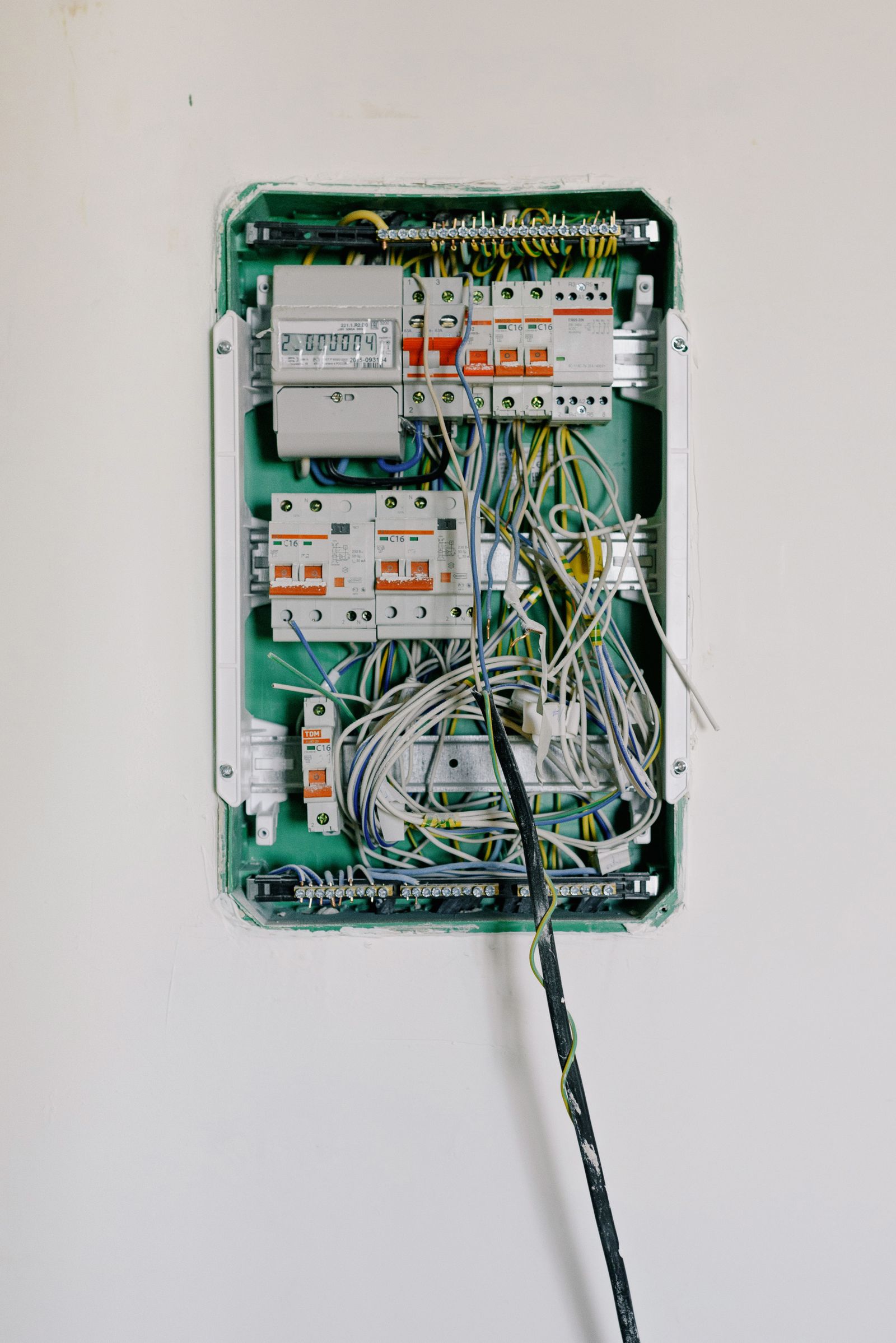
The Flexible Option, Done on a Proper Circuit
A NEMA 14-50 receptacle is the most flexible way to charge at home, because the equipment plugs in and can move with you. It is also the install most often done badly. The Woodlands EV Charger Installation puts in NEMA 14-50 outlet installations across The Woodlands, Spring, and Conroe on dedicated circuits with commercial-grade receptacles rated for the continuous load a vehicle actually puts on them. Homeowners typically want this one when they already own a mobile connector, when they rent, or when they expect to upgrade the charging hardware later. A straightforward garage install near the panel takes three to five hours, and we leave the circuit labeled and tested.
What a 14-50 Installation Covers
The following is standard on every 14-50 job we quote in Montgomery County.
Load calculation and service verification
A 14-50 is a 50-amp circuit, and we confirm your panel can carry that alongside the dryer, the range, and the air handler before quoting it.
A genuinely dedicated circuit
No shared neutral, no tandem breaker shortcut, nothing else on the run. Shared neutrals are the single most common defect we find on 14-50 outlets installed by non-electricians.
Industrial-grade receptacle, not a retail one
Hardware-store 14-50 receptacles are built for occasional range use, not for 32 amps held for six hours. We install a commercial-grade device with a proper contact design.
Correct conductor sizing for continuous duty
Conductors are selected for the 50-amp circuit and the actual run length, with voltage drop accounted for on longer pulls across a garage or out to a detached structure.
GFCI protection where code requires it
Garage receptacles generally require GFCI protection, and we handle the interaction between that protection and a charger's own internal GFCI so the two do not fight each other.
Proper box, strain relief, and mounting height
The receptacle is mounted at a height that lets the connector hang without tension on the cord cap, which is what prevents the overheating failures you see photographed online.
Conduit or in-wall routing, run square
Surface raceway in the garage is secured and straight; in-wall routing is fished where structure permits. Carport and exterior runs use rated conduit and weatherproof enclosures.
Torqued terminations throughout
Every lug and terminal is tightened to the manufacturer's specified value, at the breaker and at the receptacle, because heat damage at a 14-50 almost always starts at a loose connection.
Live load testing before we leave
We verify voltage, polarity, ground, and actual draw with the charging equipment connected rather than assuming the circuit is correct because it is new.
Permit filing and documentation
Where the jurisdiction requires it we file the permit and meet the inspector, and you get the invoice and contractor record for any incentive claim.
Three Steps to a Working Outlet
- 01
Confirm the circuit is available
We ask what else is on your panel and what the main breaker is rated at, because a 50-amp addition is significant on a 125-amp service that already has electric heat. If the numbers are tight we will say so on the call. A free site visit settles it when the panel labeling is unreadable, which in older homes it often is.
- 02
Written flat price
The quote covers the breaker, the conductors, the receptacle, the box, the run, GFCI protection, testing, and the permit if one applies. Longer runs and exterior routing are priced in up front, not added afterward. You approve the number before we schedule.
- 03
Install and test
We shut off the main, land the circuit, mount and terminate the receptacle, restore power, and test under real load with your connector plugged in. You get the breaker labeled, the circuit documented, and a straight answer about what amperage your equipment should be set to draw.
Why the Receptacle Choice Matters
We spend the money on the device
The difference between a ten-dollar receptacle and a proper commercial one is small against the cost of the job and enormous against the cost of a melted cord cap. Every 14-50 we install uses a device designed to hold 32 to 40 amps for hours without the contacts relaxing.
We correct shared neutrals instead of inheriting them
When we open an existing panel and find a 14-50 sharing a neutral with another circuit, we say so and we fix it. That one defect explains most of the mysterious breaker tripping people live with for years before calling an electrician.
We tell you when hardwiring is the better answer
If you are going above 40 amps, mounting outside, or installing a unit the manufacturer wants hardwired, a 14-50 is the wrong tool and we will point you at the hardwired install instead. Selling you the cheaper job when it is the wrong job helps nobody.
- TECL-Licensed & Insured
- Flat-Rate Written Pricing
- Commercial-Grade Devices Only
- EVITP-Certified Installers
Put In a 14-50 That Will Last
If you are charging on a 14-50 now and the cord cap runs warm, that is worth a call before it becomes a repair. New installs and corrections both start with the same free estimate.
(281) 789-1750Get your outlet quoted: (281) 789-1750