EV Charger Repair and Troubleshooting in The Woodlands
Diagnosing trips, faults, and failed units for homes and businesses from Spring to Conroe, starting with the cause rather than the symptom.
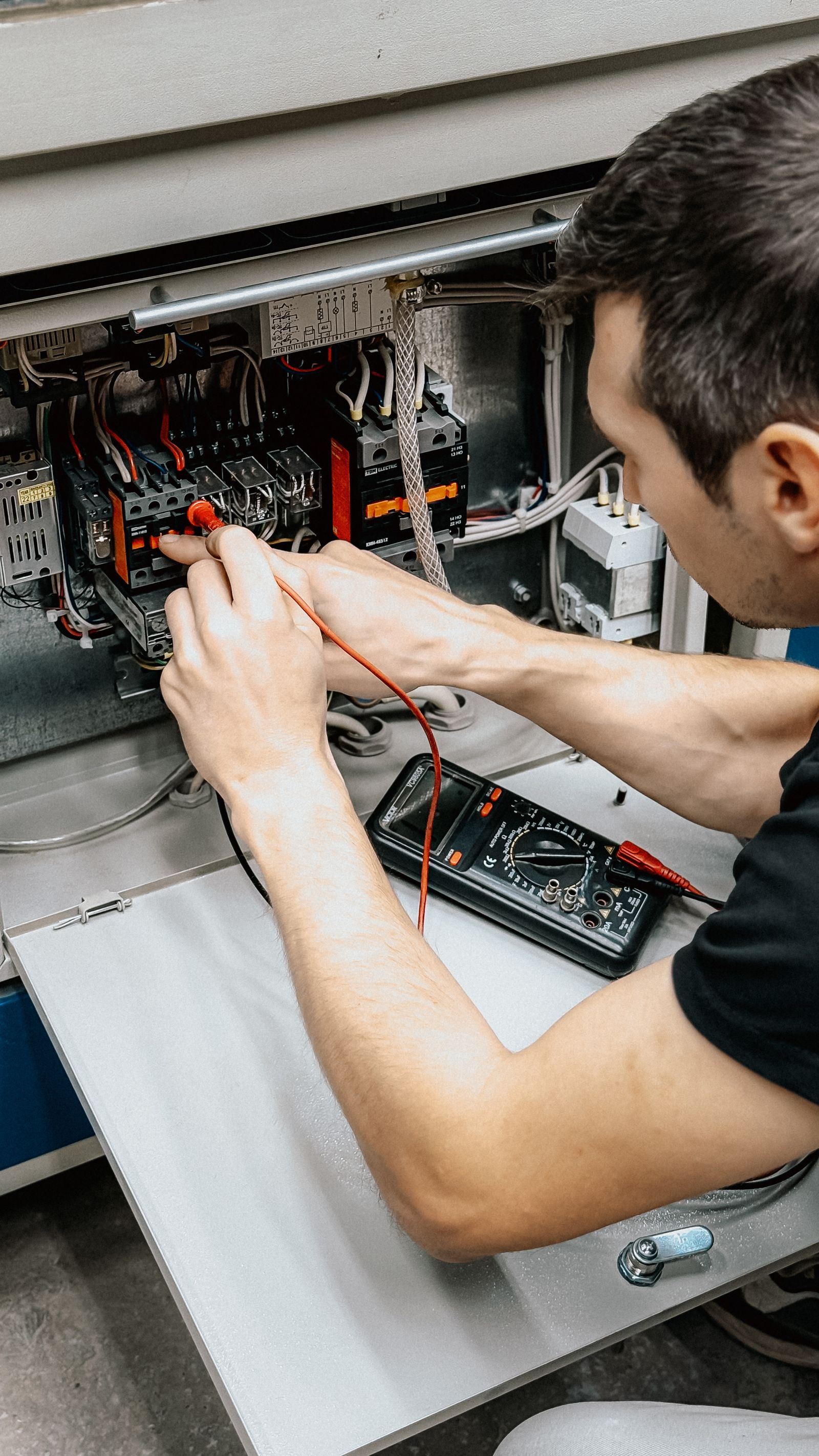
Most Charger Problems Are Circuit Problems
When a charger stops working, the unit is blamed first and is usually innocent. The Woodlands EV Charger Installation handles EV charger repair and troubleshooting across The Woodlands and Montgomery County, and a large share of what we find is an installation defect rather than an equipment failure: a breaker sized for intermittent load, a shared neutral, a GFCI conflict, or a termination that has loosened under heat. Calls typically come from one of two places, either a charger that has started tripping after months of normal use, or a unit that never worked right from the day it went in. Diagnosis is usually a one- to two-hour visit, and we tell you the cause before anyone discusses buying hardware.
What a Repair Visit Covers
A diagnostic visit looks at the whole circuit, not only the box on the wall.
Full circuit diagnosis from panel to plug
We test voltage, continuity, ground integrity, and actual draw under load across the whole circuit rather than inspecting only the charger itself.
Breaker sizing and type verification
A 40-amp continuous charger on a 40-amp breaker will trip, and it is supposed to. We confirm the breaker matches the continuous-duty requirement and the charger's configuration.
GFCI conflict resolution
Many chargers contain their own ground-fault protection, and pairing that with a GFCI breaker causes nuisance trips that look random. We identify the interaction and correct it properly.
Shared-neutral and multi-wire branch circuit detection
A charger sharing a neutral with another load is one of the most common defects we find on handyman installs, and it explains tripping that correlates with the dryer or the oven.
Thermal inspection of terminations
We check for heat damage, discoloration, and relaxed connections at the breaker, at the receptacle, and at the charger's terminal block, then re-terminate to torque specification.
Receptacle and cord-cap assessment
Melted or discolored 14-50 receptacles are replaced with commercial-grade devices, and we explain why the original failed so it does not happen twice.
Voltage drop measurement on long runs
Undersized conductors over a long pull cause charging faults that only appear at high amperage, and that is only visible under load.
Manufacturer fault-code interpretation
We read the unit's diagnostics and interpret them against what the circuit is actually doing instead of accepting a code at face value.
Firmware, network, and configuration correction
Connectivity problems, stale firmware, and an output setting that does not match the circuit account for a meaningful share of complaints we resolve without touching the wiring.
Written findings and options
You get a plain explanation of the cause, what it will take to correct, and whether repair or replacement is the better economic decision.
Three Steps to a Working Charger
- 01
Tell us what it does and when
Symptoms carry a lot of information. A charger that trips only when the AC cycles points somewhere very different from one that faults at the start of every session. We will ask when it started, what else runs at the time, and whether anything changed in the house, and that conversation often narrows the cause before we arrive.
- 02
Diagnosis on site
A diagnostic visit usually takes one to two hours. We test the circuit under live load, inspect every termination, read the unit's fault history, and identify the actual cause. You get that answer in plain terms along with what it would cost to correct, before any repair work begins.
- 03
Correct it and verify
Most repairs are completed on the same visit, whether that means re-terminating connections, correcting the breaker, separating a shared neutral, or replacing a failed receptacle. We then run a full charging session and verify sustained current before closing out. If the unit itself has genuinely failed, we will say so and quote the replacement honestly.
Why Diagnosis Beats Part Swapping
We find the cause before quoting a fix
Replacing a charger that was tripping because of a shared neutral produces a new charger that trips. Diagnosing first costs one visit and saves people from buying hardware they did not need, which is the outcome we would want if it were our garage.
We are used to correcting other people's work
A good portion of this service is repairing installs done by general contractors, handymen, and homeowners. We will tell you what was wrong without lecturing, show you the evidence, and bring the circuit to where it should have been from the start.
You get the reasoning, not just the repair
Every visit ends with an explanation of what failed and why, in language you can repeat to someone else. Understanding the cause is what stops the same problem from returning after the next appliance gets added.
- TECL-Licensed & Insured
- Diagnosis Before Replacement
- Flat-Rate Repair Pricing
- EVITP-Certified Installers
Stop Resetting the Breaker
A charger that trips repeatedly is telling you something, and continuing to reset it is the one response that does not help. Get the circuit looked at properly.
(281) 789-1750Book a diagnostic visit: (281) 789-1750