Level 2 EV Charger Installation in The Woodlands
Dedicated 240-volt circuits for homes from Grogan's Mill Road to the Research Forest corridor, sized by load calculation rather than guesswork.
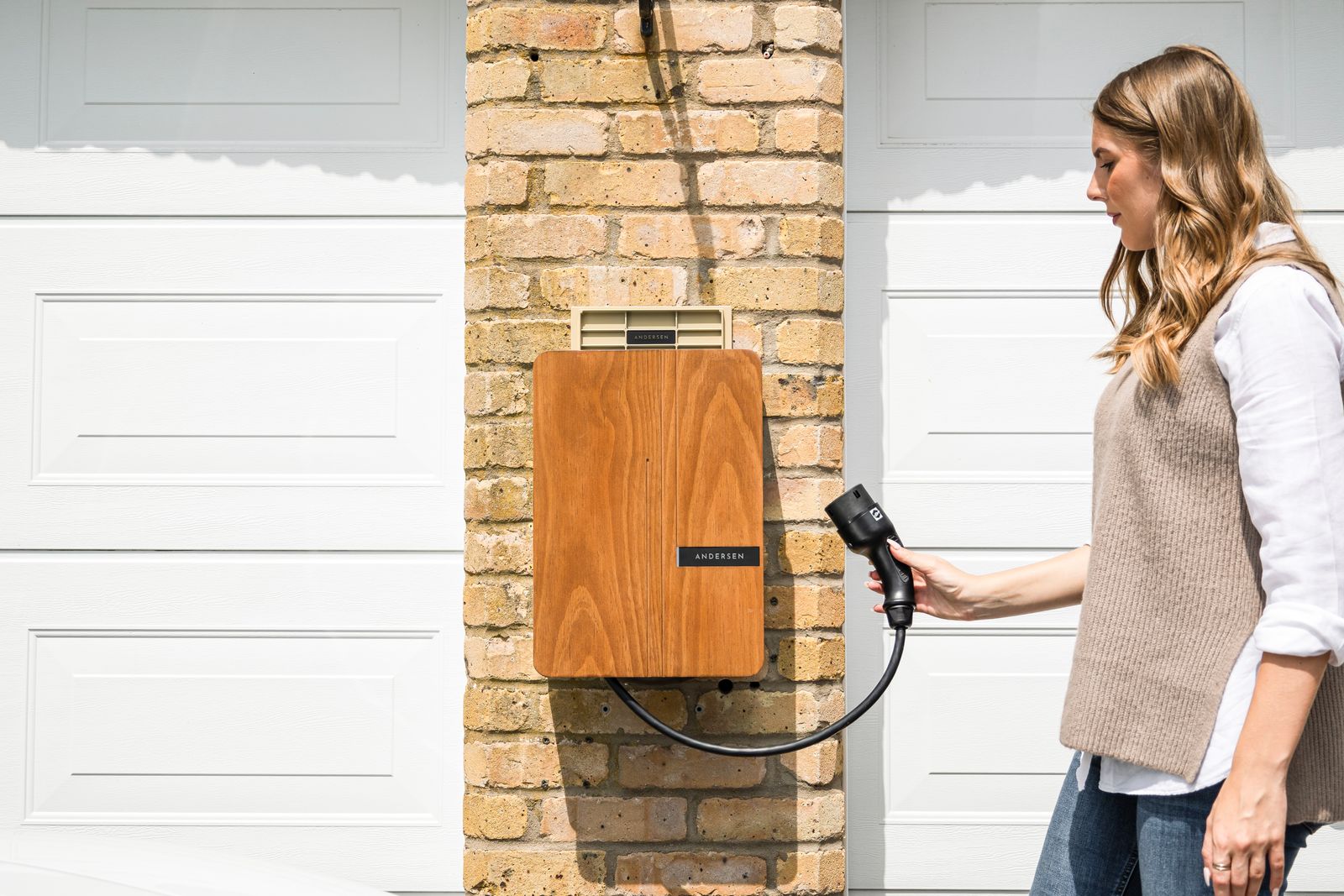
The Standard Home Charging Setup, Installed Correctly
A Level 2 charger is a 240-volt appliance that pulls its rated current continuously for hours at a stretch, which is a very different demand than anything else on a residential panel. The Woodlands EV Charger Installation handles Level 2 EV charger installation across The Woodlands and the surrounding Montgomery County communities, and the first thing we do is establish what your service can actually carry. Most people call us in the two or three weeks between ordering a vehicle and taking delivery, which is a comfortable window. The visit itself is usually a half day: we confirm the load, run the circuit, mount the unit, and energize it while you watch the first session start. By the time we leave, you know the amperage it is charging at and why that number is what it is.
What a Level 2 Installation Covers
Every Level 2 job we quote includes the following, and anything outside it is priced before we start rather than discovered later.
A full residential load calculation
We total your existing demand against your service rating to determine the largest charger circuit your panel can legally and safely support, which is the number that decides everything else.
Panel inspection and breaker space check
We open the load center, confirm the bus rating, look for double-tapped or undersized existing work, and verify there is physical room for a two-pole breaker before quoting.
A dedicated branch circuit
The charger gets its own home run with no shared neutral and nothing else on the circuit, which is what prevents the interaction faults that cause nuisance trips.
Correctly sized conductors for continuous duty
Conductors are selected at 125 percent of the charger's continuous rating, so a 40-amp unit lands on a 50-amp circuit rather than a breaker that merely holds for an hour.
Conduit or in-wall routing to the mount location
Garage walls get EMT or surface raceway run square and level; finished walls get fished where the structure allows. We walk the route with you before we drill.
The two-pole breaker, installed and torqued to spec
Terminations are tightened to the manufacturer's stated torque value, because loose lugs under continuous load are the most common cause of heat damage we find on other people's work.
Charger mounting at a usable height and reach
We confirm your cable actually reaches the vehicle's port from where the car parks, in the direction it parks, before the unit goes on the wall.
Commissioning and amperage configuration
Units with adjustable output are set to the amperage the circuit supports, firmware is updated, and network-connected chargers are joined to your Wi-Fi and verified in the app.
Permit filing and inspection coordination
Where your jurisdiction requires a permit, we file it, schedule the inspection, and meet the inspector on site so you do not have to take the day off.
Documentation for incentive claims
You receive an itemized invoice, the licensed-contractor details, and the permit record in the form rebate and tax-credit programs typically request.
Three Steps From Call to First Charge
- 01
The capacity conversation
On the first call we ask for your build year, your service size if the main breaker is readable, what you drive, and where the car parks. That is usually enough to narrow the install to one or two realistic options and give you a price range. If the answer depends on something we cannot see, we schedule a site visit rather than quoting blind, and that visit is free.
- 02
The written flat quote
We confirm the load calculation, measure the actual run length, and put a single number in writing covering labor, materials, permit, and commissioning. If a panel upgrade turns out to be necessary, it appears as its own line so you can decide on it separately. Nothing is ordered and no date is held until you say yes to that number.
- 03
Install day
A typical garage install next to the panel runs four to six hours. We kill power at the main for the breaker work, run and secure the circuit, mount and terminate the charger, restore power, and start a live session to confirm the unit is pulling its rated current. Then we walk you through the app, hand over the paperwork, and schedule the inspection if one applies.
Why This Job Goes Better With Us
We size to the panel, not to the sales brochure
Plenty of installs around here were quoted at 48 amps on homes that could never support it, and the owner finds out when the main breaker starts tripping on a hot August evening with the AC running. We would rather tell you up front that 40 amps is your ceiling. A charger running reliably at 40 beats one that fails at 48.
Local build-year knowledge shortens the whole process
Homes in the older villages tend toward 100- and 125-amp services with full panels, while newer construction west of FM 2978 usually has room to spare. Knowing the likely answer before we arrive means our phone estimate is close to our final quote, and it means we show up with the right breaker on the truck.
Commissioning is part of the job
An energized charger is not a finished charger. We verify the delivered amperage under live load, update firmware, connect the unit to your network, and show you where to check charging speed yourself. If it is not pulling what it should, we find out on our time rather than yours.
- TECL-Licensed & Insured
- Flat-Rate Written Pricing
- Same-Week Scheduling in Most of Montgomery County
- EVITP-Certified Installers
Get Your Level 2 Charger Scheduled
If the car is already on its way, this is the right time to make the call rather than the week it lands in your driveway. We can usually give you a real range on the phone in ten minutes and hold a date once you have a written number in hand.
(281) 789-1750Schedule your Level 2 install: (281) 789-1750