Hardwired EV Charger Installation in The Woodlands
Permanent connections for 48-amp units and exterior mounts across The Woodlands, Shenandoah, and the Lake Woodlands Drive area.
The Permanent Connection, and When You Need One
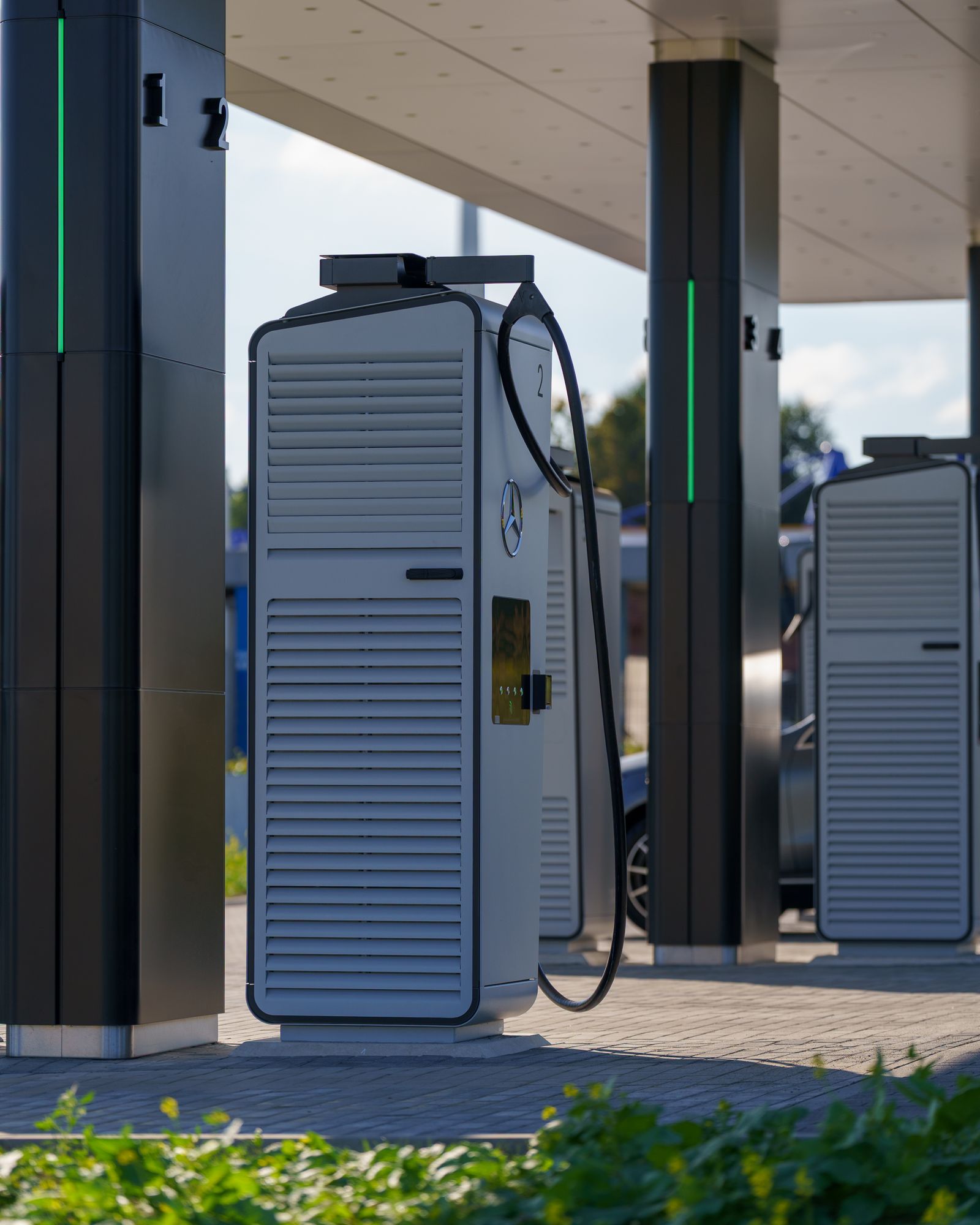
Hardwiring removes the plug from the equation entirely, running the charger's conductors straight into the panel. The Woodlands EV Charger Installation handles hardwired EV charger installation throughout The Woodlands and Montgomery County, and there are three situations where it is not optional: anything above 40 amps of continuous draw, any unit mounted outdoors, and any charger whose manufacturer requires a permanent connection. A plug-and-receptacle pair is a mechanical joint, and mechanical joints under sustained heat are where failures begin. Most hardwired jobs run five to seven hours, longer when the run crosses the house or exits to an exterior wall, and we leave the circuit tested under live load.
What a Hardwired Installation Covers
A 60-amp continuous circuit deserves more care than a standard outlet. This is what the job includes.
Load calculation for a 48-amp continuous circuit
A 48-amp charger requires a 60-amp circuit, which is a substantial addition. We confirm your service carries it before recommending it.
Dedicated 60-amp circuit in 6 AWG copper
Conductor sizing follows the continuous-duty rule rather than the nameplate, and we account for voltage drop on long runs rather than assuming a standard length.
Direct termination into the charger's wiring compartment
No plug, no receptacle, no cord cap. The conductors land in the unit's terminal block and are torqued to the manufacturer's specification.
Weatherproof routing for exterior mounts
Sunlight-resistant conduit, listed fittings, sealed wall penetrations, and enclosures appropriate for Gulf Coast humidity and driving summer rain.
Proper support and securing of the run
Conduit is strapped at code intervals and run square to the structure, because a sagging run across a garage ceiling is both an eyesore and a long-term mechanical risk.
Charger-specific mounting hardware and backing
Heavier units get solid backing behind the bracket rather than drywall anchors, which matters when the cable is handled daily for years.
Current configuration set to the installed circuit
Units with adjustable output are configured at commissioning so the charger draws what the circuit was built for and nothing more.
Network connection and firmware update
Connected chargers are joined to your Wi-Fi, updated, and verified as reachable, so scheduling and monitoring features actually work from day one.
Live load verification
We run a real charging session and confirm delivered current and voltage drop under load before we consider the job finished.
Permit, inspection, and documentation
Hardwired 60-amp circuits are permitted work where your jurisdiction requires it. We file, we meet the inspector, and you keep the record.
Three Steps to a Permanent Install
- 01
Confirm 48 amps is realistic
The honest first question is whether your service can carry a 60-amp circuit on top of everything already connected. In newer construction west of FM 2978 it usually can; in the older villages it often cannot without a service upgrade. We run the numbers and tell you which situation you are in before anybody talks about scheduling.
- 02
Route planning and a flat quote
We walk the route from panel to mount point with you, agree where the conduit will run and where it will penetrate, and then write one price covering the breaker, the conductors, the conduit, the terminations, commissioning, and the permit. Exterior work and long runs are in that number, not added later.
- 03
Install, commission, verify
On the day we de-energize, install and secure the run, land the conductors at both ends to torque spec, restore power, configure the output, connect the unit to your network, and charge the car while we watch the delivered current. You get the walkthrough, the labeled breaker, and the paperwork before we leave.
Why Hardwiring Rewards Doing It Properly
Torque specifications are not a formality
Nearly every overheated EV circuit we have been called to repair traces to a termination that was tightened by feel. We torque every lug to the stated value with a calibrated tool, at the breaker and at the charger, and that single habit prevents the failure mode that scares people about home charging.
Outdoor installs are built for this climate
Humidity, summer storms, and months of direct sun are hard on fittings that were chosen for an indoor garage. Exterior work here gets sunlight-resistant conduit, listed weatherproof fittings, and properly sealed penetrations, because the alternative shows up as corrosion in year three.
We verify under load, not at idle
A circuit that tests fine with a meter can still show excessive voltage drop at 48 amps on a long run. Charging the car and measuring under real load is the only way to know, so that is how we close out every hardwired job.
- TECL-Licensed & Insured
- Flat-Rate Written Pricing
- Torque-Spec Terminations
- EVITP-Certified Installers
Get the Full Amperage Your Charger Was Built For
If you bought a 48-amp unit, it is worth finding out whether your home can actually feed it before the installer improvises. The assessment is free and the answer takes one visit.
(281) 789-1750Book your hardwired install: (281) 789-1750